May 15, 2026
The Purpose Drift Problem
Professional conferences were never meant to be content delivery systems. They were meant to be the place where a profession thinks together.
Somewhere along the way, that shifted. Keynotes replaced conversations. Packed session tracks replaced open inquiry. Delegate satisfaction scores replaced any serious measure of whether the gathering actually moved the field forward.
The result is a format that looks productive but produces far less than it should.
What the Knowledge Economy Changed
For most of the 20th century, attending the annual congress meant accessing research before it was widely published, connecting with international colleagues, and hearing about emerging practices that had not yet reached print. The information scarcity of that era made content delivery entirely rational.
That world no longer exists.
Research circulates globally within hours. AI tools can synthesize an entire discipline’s published output in minutes. The case for traveling across a country or continent to sit in rows and listen to presentations has been genuinely weakened. And the evidence shows up in attendance patterns: many associations report declining first-time attendance, shorter delegate stays, and growing competition from digital alternatives.
The associations that are growing have understood the shift. They are not competing with the internet on information delivery. They are offering something the internet cannot: the experience of thinking through hard problems in real time, with peers who have skin in the same game.
The Most Valuable Resource in the Room Is Staying Silent
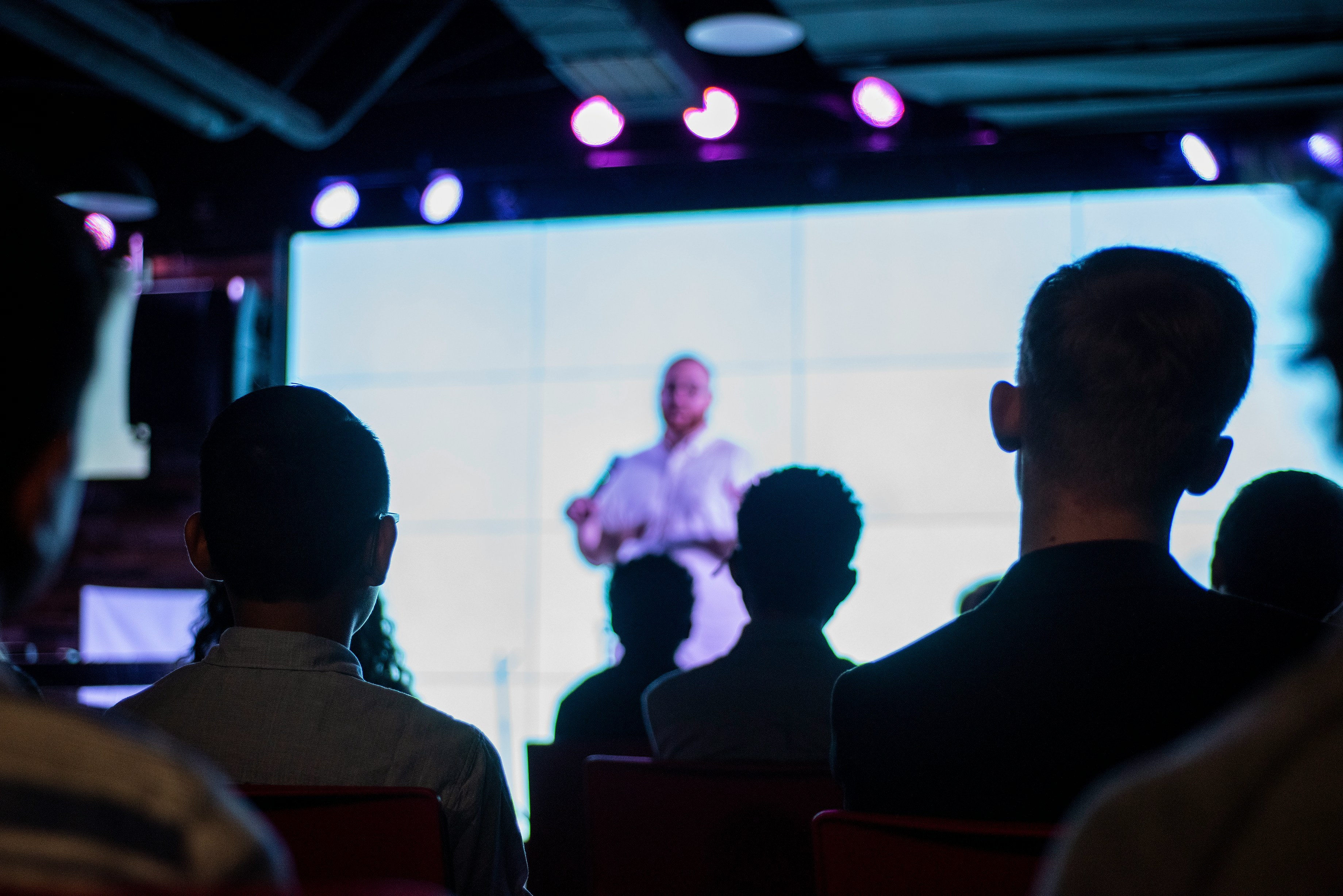
Walk into most professional conferences, and the architecture tells you everything. Rows of chairs face a stage. A speaker advances through slides. At the end, a moderator invites questions, two of which are statements, and time runs out before the conversation can develop.
Every room full of professionals contains decades of accumulated experience and expertise that the standard format leaves entirely untouched.
Small-group dialogue formats produce measurably different outcomes. When participants gather in circles of five to seven, conversation changes character. People ask questions they would never ask in front of a thousand colleagues. Assumptions that would survive a polished keynote get challenged in a facilitated roundtable. This is not a stylistic preference. It is a design decision with direct consequences for whether the gathering advances the profession’s knowledge or merely circulates it.
Curiosity Is a Design Choice
The most common explanation for why some conferences produce dialogue and others polite applause is the quality of the speakers or the energy of the audience. That explanation is seductive because it attributes outcomes to factors that organizers cannot control. It is also largely wrong.
Curiosity is a response to the environment. People ask questions when questions feel welcome. They challenge assumptions when the format signals that a challenge is invited. These conditions are entirely within the control of the people who design the gathering.
Concretely, that means framing sessions around open questions rather than settled answers. It means inviting speakers to share what they do not yet know, not just what they have proven. It means building in time for small-group discussion before large-room synthesis.
It also means measuring different things. Most conference evaluations ask whether delegates found the content relevant. Almost none ask whether they left with a question they did not have when they arrived, or whether they changed their mind about anything. What gets measured shapes what gets designed. If associations measure only satisfaction, they will keep optimizing for comfort rather than for the intellectual stimulation that actually advances knowledge.
What Association Leaders Can Do Now
- Start program planning with a question, not a speaker list. What does the profession need to think through this year that it cannot think through alone?
- Redesign at least 30% of sessions around open questions rather than settled conclusions.
- Build a structured first-timer pathway that begins before the event opens - small welcome circles with an experienced guide, not a welcome reception and a badge.
- Add two outcome-based questions to your post-event evaluation: Did you leave with a question you did not have before? Did you encounter a perspective that changed how you think?
The Meeting Is the Strategy
Associations that design gatherings around the production of insight rather than the delivery of content will do more than improve delegate experience. They will become genuine stewards of their profession - the environments where knowledge advances because the community designed it to.
The question is not whether the audience exists for this kind of gathering. It does. The question is whether those designing the event have the clarity of purpose to ask why the meeting exists before they ask what the program should contain.
Let’s Talk About Your Meeting Strategy