Apr 15, 2026
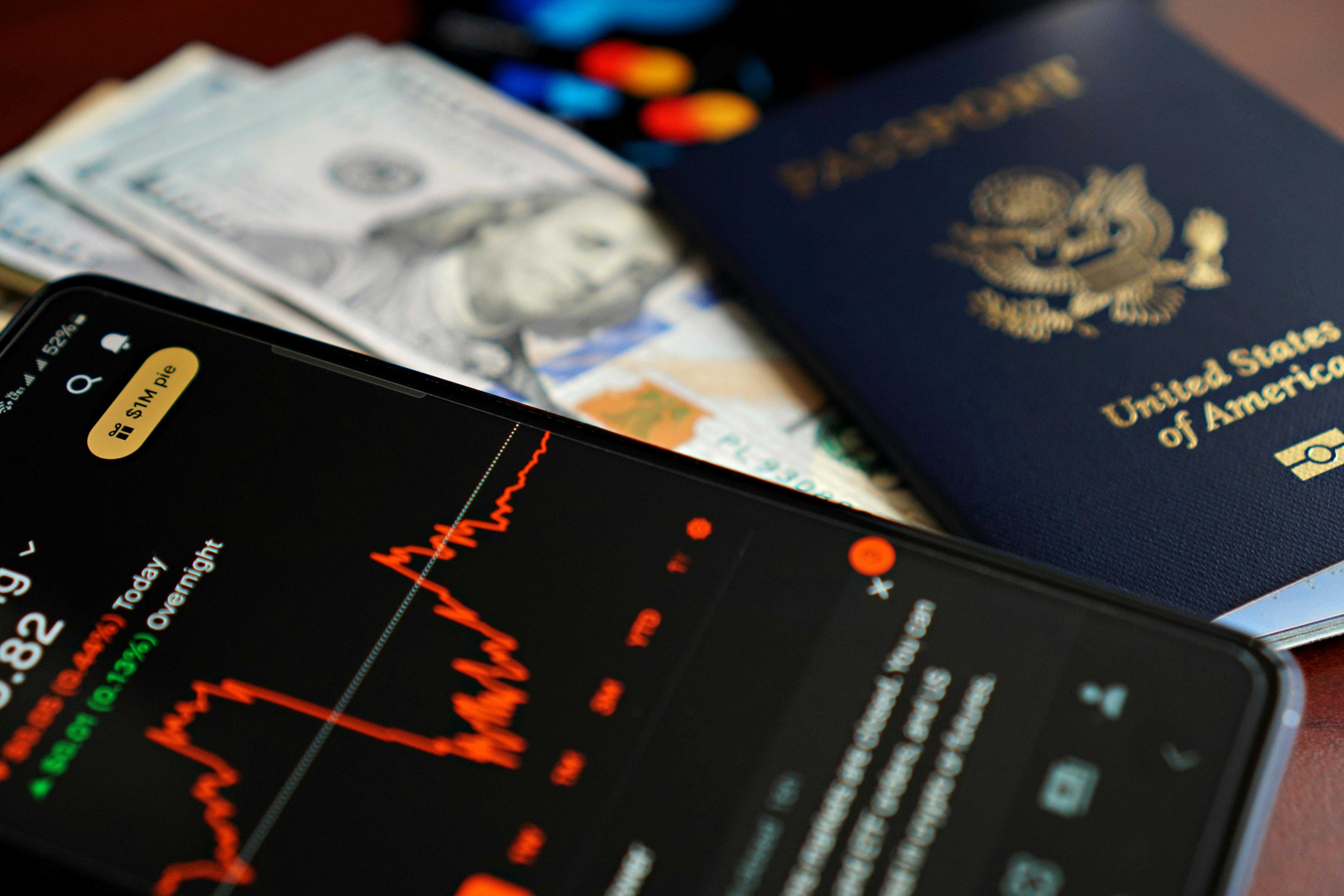
The domestic association playbook that served our sector well for a decade is showing its limits. Meetings revenue is contracting. International attendance is declining. Membership retention has become the top strategic challenge for nearly a third of association CEOs. And a geopolitical environment that continues to shift beneath our feet is accelerating the need for a response - not just a reaction.
At Talley, we work with associations across every size and sector spectrum, and we've been paying close attention to what the data is saying, what the research is confirming, and what the most thoughtful leaders in our space are doing about it. This post shares what we're seeing - and what it might mean for your organization.
The Economic Context: Resilient, but Testing
The broad economic picture heading into 2026 is one of cautious resilience shadowed by real risk. The OECD's March 2026 Interim Economic Outlook projects global GDP growth of 2.9% in 2026 - a modest pace that reflects the drag from escalating conflict in the Middle East, which has disrupted energy markets and supply chains in ways that are already adding to inflation pressure worldwide. The report warns that if energy disruptions persist, the headwinds to growth and consumer confidence will deepen.
At the same time, the World Bank's February 2026 Global Monthly highlights divergence within that global picture. Emerging markets in Asia are among the most dynamic, with East Asia and the Pacific projected to expand by 4.4% in 2026. Double-digit import growth in Asian emerging markets (excluding China) signals genuine commercial momentum in the region, even as activity softens in parts of the West.
For associations - especially those serving industries with global supply chains, professional certifications, or technical standards - this divergence matters enormously. Where your members are growing is increasingly *not* where you've historically focused your programming.
What We're Seeing in the Market
The ASAE State of Associations report (March 2026) puts numbers to what many leaders are feeling: 38.5% of association CEOs report financial decline, compared to just 10% reporting improvement. Meetings and membership are the most affected revenue lines, cited by roughly two-thirds of organizations reporting financial pressure. Canadian and international attendance is pulling back faster than any other segment, with 58% of associations now reporting declining attendance from Canada alone.
What's equally striking is how associations are responding. Rather than pulling back uniformly, the most strategically oriented organizations are doing the opposite: 63.8% are actively seeking new partnerships, 61.7% are diversifying revenue streams, and 51.6% are launching new programs and services - outnumbering those cutting programs by nearly three to one. Dues increases have more than doubled year over year. These are not organizations in retreat. They are organizations in recalibration.
From our perspective, the picture is consistent with what ASAE is reporting. We are working with associations that saw 2025 as a "wait and see" year - understandably, given the pace of political and legislative change. But fifteen months in, the volatility shows no sign of abating. The associations that are faring best are those treating this moment as a signal to sharpen strategy rather than suspend it.
The APAC Question: Themes from Our March 2026 Roundtable
In late March 2026, Talley convened a small, senior peer exchange in Chicago under Chatham House rules - bringing together association executives and destination partners to discuss global expansion strategy, with a particular focus on Asia Pacific. What follows are general themes from that conversation:
- Lead with certification and licensing - membership can follow.
U.S.-based professional credentials carry genuine prestige in APAC markets; association membership is a much harder sell in cultures where dues-based belonging isn't the norm. The most consistent low-risk entry pathway cited was establishing presence through licensing, certification programs, or content partnerships, ideally with a university or local institution that provides credibility, IP protection, and delivery infrastructure.
The lesson: lead with the product, let the relationship to the organization develop from there. Copying the domestic membership model wholesale into a new market remains the most common and most costly failure mode. - Local partners are not a workaround - they are the strategy. Every organization in the room with a meaningful international presence traced it back to relationships: local advocates, members, volunteers, or partners who understood the market from the inside. The reseller model - where a vetted local partner collects in local currency at locally calibrated pricing and transfers a royalty - was highlighted as one of the cleanest structures for early-stage expansion.
- Domestic pressure can be a catalyst, not just a constraint. A thread that ran through the full conversation was the question of sequencing - should organizations fix things at home before expanding? The answer that emerged: the data that explains why members disengage domestically often illuminates what will resonate internationally. Sunsetting underperforming programs creates capital to redeploy. The two imperatives are more connected than they appear.
- The governance gap is real. Board ambition and staff readiness are rarely fully aligned in international expansion. Naming that gap early - rather than discovering it mid-implementation - was identified as the critical first step. A time-limited task force or exploratory committee, rather than a new board seat, was flagged as a credible first move that builds the evidence base without overcommitting.
Key Takeaways for Association Leaders
If this conversation is relevant to your organization, a few questions are worth taking to your leadership team:
- Do we have a clearly articulated reason for pursuing international growth - beyond growth for growth's sake?
- Does our board share a genuine understanding of what a multi-year international commitment would require in practice?
- What is the single question we'd need to resolve internally before making a more concrete commitment?
- What would a credible, contained first move look like - real enough to generate learning, reversible enough not to overcommit?
The associations that invested in APAC relationships during periods of uncertainty are now one to three years ahead of those that waited. That gap is structural - relationships, brand presence, and governance frameworks take years to build and cannot be purchased later.
What does this mean for Destinations and Venues, home and abroad?
For destinations and venues - both in the U.S. and internationally - the current climate is creating real pressure and real opportunity in equal measure. Declining international attendance is a challenge that shows up in room blocks, exhibit floors, and F&B minimums. But it is also creating demand for a different kind of partnership.
Associations are increasingly looking to destinations not just for event logistics, but for market intelligence, stakeholder access, and genuine co-investment in regional expansion. Destination partners who can facilitate introductions to local professional communities, government bodies, and potential chapter partners are differentiating themselves from those who simply offer venue capacity.
For U.S. venues and cities, the question is whether they can offer associations something comparably strategic: data on why international attendance is declining, targeted outreach support, and pricing flexibility that reflects the realities of reduced travel budgets and a volatile geopolitical environment.
What Comes Next
This conversation is not a one-time event. Talley's next APAC peer roundtable is planned for June 30, 2026, where we will move from discussion to working documents - governance frameworks, licensing models, and case studies of associations at different stages of the expansion journey.
If you're interested in participating or learning more about Talley's international development practice, we'd welcome the opportunity to discuss. Please reach out to [email protected]
*Data referenced in this post is drawn from the ASAE State of Associations (March 2026), the OECD Economic Outlook Interim Report: Testing Resilience (March 2026), and the World Bank Global Monthly (February 2026).*
Let Talley Help You Achieve Your Organization's Global Growth Goals