Mar 16, 2026
Follow the Population
When economics and politics feel turbulent, one piece of advice stands out: follow the population.
At the 64th ICCA Congress in Porto in November 2025, Prof. Greg Clark reminded the audience that the global population has grown at an unprecedented rate over the past two centuries. We recently passed 8 billion people, and projections suggest the world will approach its population peak later this century.
What matters even more is where growth is happening.
Demographic projections consistently indicate that Africa will account for an increasingly dominant share of the global population in the decades ahead. At the same time, several advanced economies have already reached or passed their population peaks and are navigating aging societies, workforce pressures, and slower expansion.
That is not simply a demographic observation. It signals a structural shift.
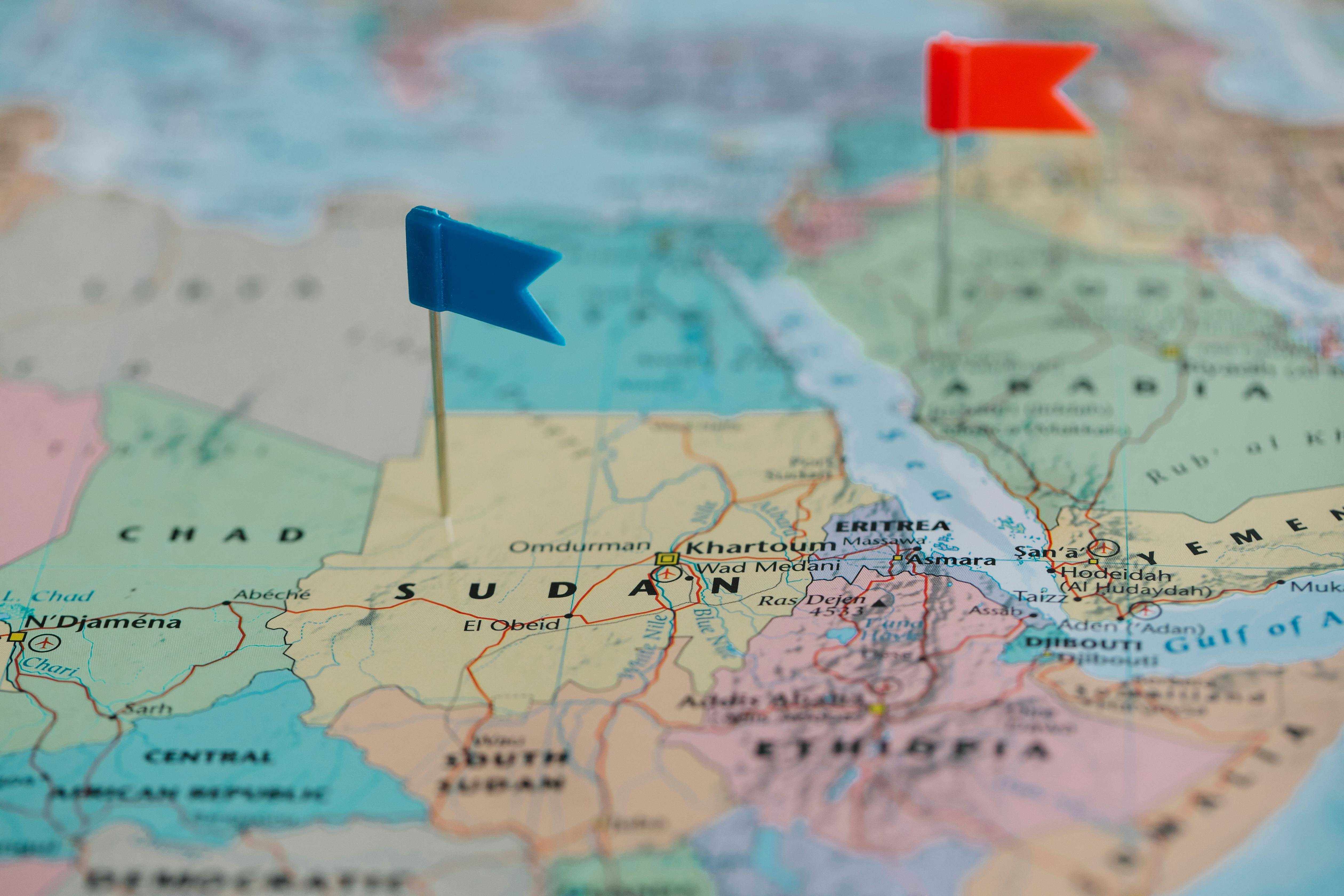
Returning to Africa for the first time in nearly twenty years, I found myself looking at demographic projections differently. They were no longer abstract curves on a slide. They were visible in the energy of cities, in conversations with sector leaders, and in the urgency around institutional growth.
The Young Continent in an Aging World
Across much of Europe and parts of Asia, policy debates are shaped by aging populations and declining workforce participation. The conversation revolves around sustainability, productivity, and fiscal strain.
Africa sits in a different cycle.
A predominantly young and expanding population means rising demand for education, professional pathways, industry standards, and economic opportunity. It means entrepreneurial energy. It means digital adoption at speed. It means institutional pressure to evolve quickly.
Leapfrogging is not a slogan. It reflects how necessity drives innovation. From mobile finance ecosystems to digital public services, African economies have demonstrated an ability to bypass legacy systems and move directly into new models.
But demographic energy alone does not produce stability or prosperity.
It requires institutions capable of channeling it.
The Century of African Cities
Urbanization is one of the defining forces of this century. Global projections suggest that the vast majority of humanity will live in cities by the end of the century.
Cities concentrate talent.
They accelerate innovation.
They create density that fuels exchange.
Across Africa, urban growth is reshaping economic geography. Cities are becoming hubs for entrepreneurship, research, education, and increasingly, global convening.
This matters deeply for the meetings industry. But it matters even more for associations.
Associations thrive where sectors cluster.
They thrive where knowledge economies are forming.
They thrive when industries align with national priorities.
Urban growth is not only an infrastructure story. It is a story of knowledge and governance.
A World in Flux
The broader global backdrop reinforces this shift.
The IMF’s October 2025 World Economic Outlook describes a global economy marked by fragmentation, fiscal pressure, and modest growth prospects. Advanced economies are managing higher debt burdens, geopolitical uncertainty, and institutional strain. Growth remains positive, but cautious.
Against that backdrop, Africa’s demographic trajectory represents both opportunity and responsibility.
Opportunity because a young and growing population can drive innovation and market expansion.
Responsibility, because without strong institutional frameworks, demographic dividends can quickly become social pressure points.
This is where the conversation must move from demographic shift to institutional shift.
The Structural Gaps
The African association and meetings landscape holds enormous potential. It also faces real structural challenges.
On the meetings side, perception gaps still influence global decision-making. Connectivity and visa regimes continue to shape accessibility. In many markets, convention bureaus and venues are publicly funded, making them sensitive to political transitions and shifts in budget priorities. Continuity is not always guaranteed.
On the association side, many organizations remain volunteer-driven and undercapitalized. Sustainable revenue models are still evolving. Professionalization varies widely. In some contexts, organized professional bodies may be viewed cautiously by governments unfamiliar with their developmental role.
Yet at their best, associations are not disruptive actors. They are developmental engines.
They advance standards.
They support workforce development.
They strengthen sector competitiveness.
They provide structured dialogue between industry and policy.
The gap is not one of intention. It is one of alignment and maturity.
The Bridge Role
This is where the business events ecosystem can play a far more strategic role.
Meetings professionals regularly engage with ministries of trade, tourism, education, health, and innovation. They understand sector priorities. They map local expertise. They connect domestic capability with international networks.
Associations bring something different. They convene subject matter expertise. They build professional identity. They generate research and standards. They create long-term knowledge communities.
If these two ecosystems work intentionally together, they become institutional connectors.
Not simply event organizers.
Not simply membership bodies.
But bridges between national development strategy and professional capacity building.
In rapidly evolving economies, that bridging function may be one of the most important capabilities of all.
The difference between demographic trajectory and developmental impact is rarely data. It is design.
From Demographic to Institutional Shift
Africa’s demographic trajectory is not a short-term trend. It is a multi-generational shift.
But demographics do not create prosperity. Institutions do.
Associations that professionalize and scale.
Cities that invest in knowledge infrastructure.
Governments that see professional communities as partners in development.
Meetings ecosystems that align with sector strategy rather than operate independently.
If these elements move together, Africa will not simply host global meetings.
It will generate global knowledge networks.
The shift is already underway.
The question is whether we deliberately design for it.
Informed by:
Prof. Greg Clark, ICCA Congress 2025, Porto.
International Monetary Fund, World Economic Outlook, October 2025.